


How To Protect Your Home From Ohio’s Winter Power Outages
Ohio winters bring falling snow, freezing temperatures, and icy roads. But nothing throws a wrench in your cozy winter plans like a power outage. When the electricity goes out, it can be a serious safety issue, especially if the outage lasts for hours or even days. That’s why it’s crucial to prepare your Cleveland, Akron, or Brunswick home to weather the storm. Here’s how to protect your home and your family when Ohio winter power outages strike.

Essential Preparations for Winter Power Outages
The best time to prepare for winter power outages is now. Waiting until the weather gets bad can leave you scrambling. Plus, power outage supplies will likely be harder to find once a storm is incoming.
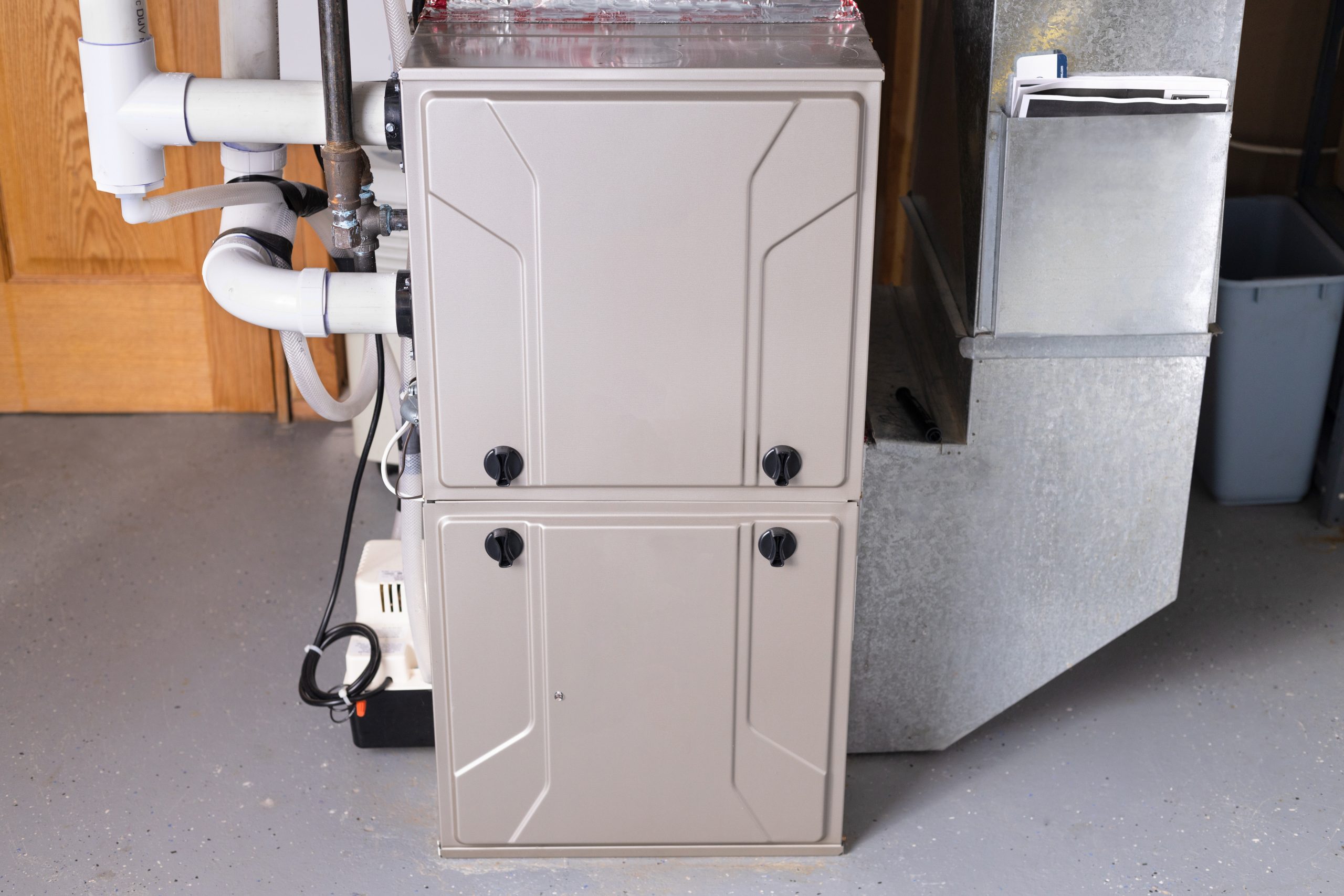
Remember, most heating systems won’t work during a power outage. Electrical systems obviously can’t run without electricity, but even your gas-powered furnace will likely shut off. This is because most modern furnaces have electronic ignition switches, fan motors, and thermostats, meaning they, too, need electricity to operate.
Here’s the bottom line: Unless you’ve prepared ahead of time, you could be stuck without heat when you need it most. Make sure your home is ready with these winter power outage tips for Ohio residents.
Insulate Your Home To Retain Heat
Proper insulation isn’t just for energy efficiency — it’s your first line of defense during a power outage. Proper home insulation for winter keeps the house warmer for longer by reducing heat loss.
Start with the attic. Heat rises, and if your attic isn’t properly insulated, all that warmth will escape through the roof. Insulating your walls and floors also keeps the cold at bay. Don’t forget small details like insulating the windows for winter and sealing gaps around plumbing and electrical penetrations. With these efforts, you’ll be better prepared for emergencies, and your heating bills will thank you, too.
Consider Backup Power for Outages
Wood-burning fireplaces and stoves are popular alternative heating methods during power outages, but they require proper ventilation and regular cleaning to operate safely. If you go this route, make sure your chimney or stove is in good working order before winter hits.
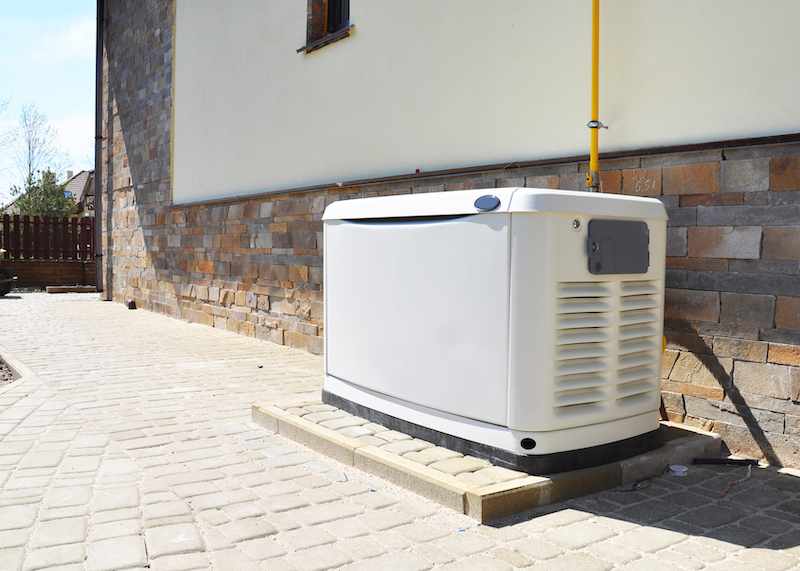
A more reliable solution is to install a whole-house generator. This backup power source keeps your furnace, appliances, and essential electronics running, even during extended outages. Whole-house generators run on natural gas, propane, or diesel and automatically kick on when the power goes out. They’re a game-changer for winter emergency preparedness in Ohio. Not sure what size you need? Here’s how to size a home generator for your Ohio home.
Protect Your Pipes From Freezing
Few things are worse than finding water in your basement because a pipe froze and burst. Pipes are most likely to freeze when temperatures drop below 20 degrees Fahrenheit, especially if they’re in unheated areas like the basement, garage, crawl space, or along exterior walls. Taking steps to prevent frozen pipes in winter can save you from a costly disaster.
Begin by insulating your pipes. Foam pipe insulation is affordable and easy to install. For especially cold areas, consider wrapping pipes with heat tape first, which provides a little extra warmth when the power is on.
Aside from insulating your pipes, let your faucets drip during frigid weather. Moving water is less likely to freeze, so keeping a slow trickle going helps prevent a disaster. Also, open cabinet doors under your kitchen and bathroom sinks to circulate warm air around the pipes.
Get Your Generator Ready Before the First Storm
If you already have a standby generator, don’t wait for the first ice storm to find out it won’t start. A generator that has sat idle for months can have a weak battery, old oil or a transfer switch problem that you won’t notice until the lights go out. Before the cold sets in, run through this quick checklist:
- Listen for the weekly exercise cycle. Most standby generators run a short self-test once a week. If yours has gone quiet, something is wrong.
- Check the battery. A weak battery is one of the most common reasons a standby generator fails to start, especially in cold weather. If your battery is a few years old, have it tested.
- Change the oil and filters. Fresh oil helps the engine start in freezing temperatures and run smoothly through a long outage.
- Clear snow, ice and leaves. Keep the unit and its air vents clear so it can breathe and cool itself while it runs.
- Confirm the transfer switch works. The automatic transfer switch is what moves your home from utility power to generator power. If it fails, your generator can run without actually powering your house.
If your generator shows a warning light, won’t start or has stopped running its exercise cycle, schedule a pre-winter generator inspection before the first storm hits.
Know the Carbon Monoxide Risks
Carbon monoxide (CO) poisoning is one of the biggest dangers during a winter power outage. CO is an invisible, odorless gas produced whenever fuel is burned, and it can build up quickly in enclosed spaces. Keep your family safe with these rules:
- Never run a portable generator inside your home, basement or attached garage, even with the door open.
- Place portable generators at least 20 feet from your home, with the exhaust pointed away from windows, doors and vents.
- Never use a gas oven, grill, camp stove or outdoor heater to warm your home.
- Install battery-powered or battery-backup CO detectors on every level of your home and outside sleeping areas, and test them before winter.
If a CO detector goes off or anyone feels dizzy, nauseous or develops a headache, get everyone outside to fresh air right away and call 911.

What To Do When the Power Comes Back On
When the lights come back on, the job isn’t quite done. Restoring power can send a sudden surge through your home’s wiring, and some equipment may need a little help getting back to normal.
- Unplug sensitive electronics during the outage. Computers, TVs and smart devices are vulnerable to surges when the utility restores power. Leave one lamp switched on so you know when the power is back.
- Wait a few minutes before turning everything back on. Bring major appliances back one at a time instead of all at once to avoid overloading your circuits.
- Check your furnace. Most furnaces restart on their own once power returns. If yours doesn’t, make sure the thermostat is on and set to heat, and check your electrical panel for a tripped breaker. Still no heat? Call a professional.
- Watch for warning signs. Lights that flicker or dim, outlets that stop working or a burning smell after an outage can point to damage in your electrical system. Learn more about flickering lights after the power returns and when to call an electrician.
For long-term peace of mind, whole-home surge protection installed at your electrical panel helps guard your appliances, HVAC equipment and electronics every time the power cycles off and back on.
Depend On Heart of Ohio To Protect Your Home This Winter
The experienced team at Heart of Ohio understands how challenging Ohio winters can be. We’re here to help with your power outage protection and recovery efforts, drawing on over 100 years of combined experience to ensure quality workmanship and your complete satisfaction. We proudly serve Cleveland, Akron, Brunswick, and surrounding areas with reliable HVAC, plumbing, and electrical services to meet your needs.
Contact us today for a free in-home service estimate, and let us help you prepare for whatever winter has in store.
Winter Power Outage FAQs
Will my gas furnace work during a power outage?
Can a generator keep my furnace running during an outage?
How do I keep my pipes from freezing without power?
How do I get my standby generator ready for winter?
Where should I put a portable generator during a power outage?
What should I do when the power comes back on?

Contact Us
Contact


The Benefits of Combining Companies
The best of each company; the potential to grow
- An expanded service area
- Faster 24/7 service
- More efficient manpower on projects
- Technicians who have been trained in specialty services
- All home services under one name