


Heat Pumps vs. Northeast Ohio Winters: When Dual Fuel Makes Sense
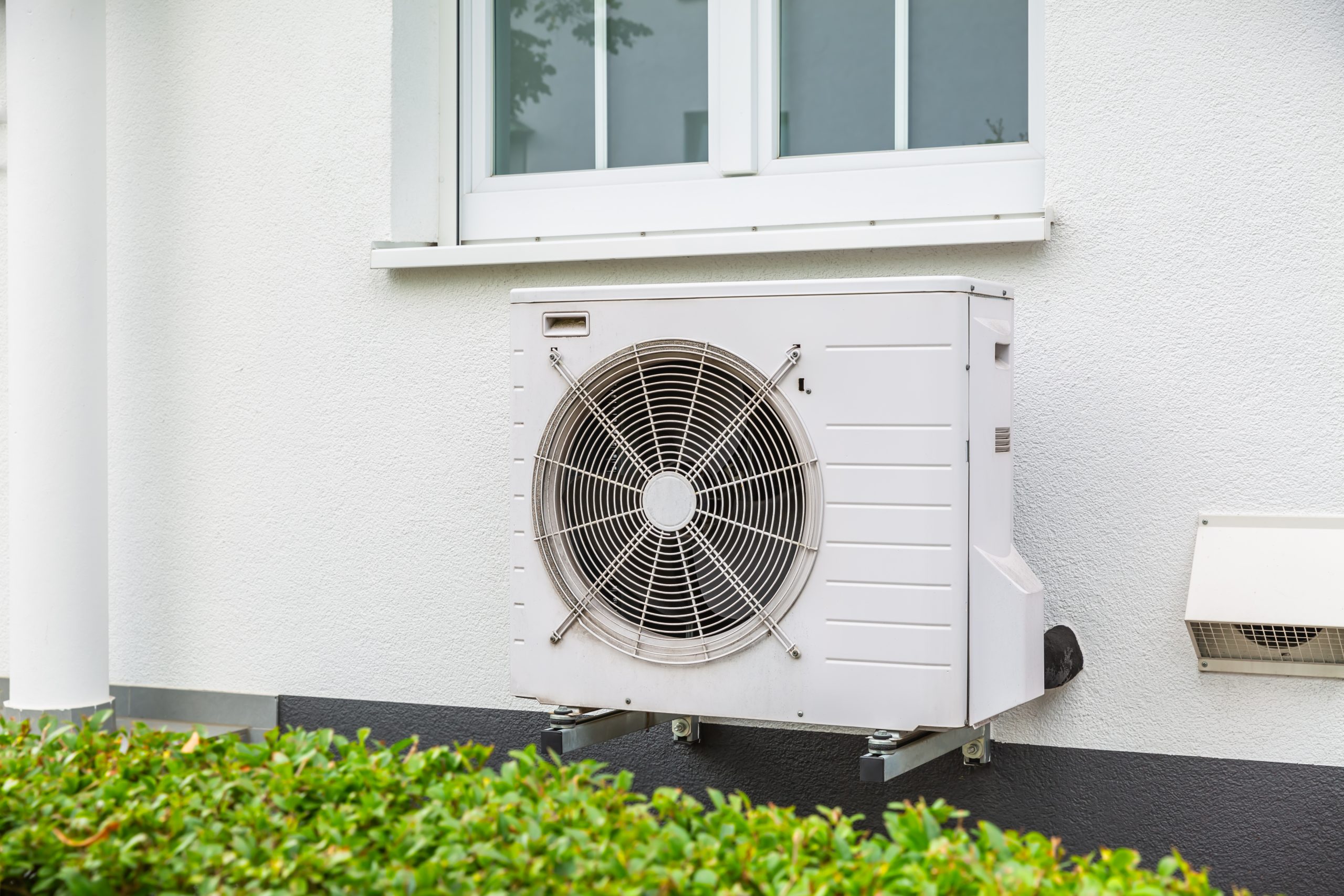
Many homeowners in cold climates like Ohio once avoided heat pumps because older models struggled in freezing temperatures. Today, cold-climate heat pumps (CCHPs) and dual-fuel systems have largely solved that problem. CCHPs use advanced inverter technology to deliver efficient, reliable heating even in sub-zero weather. Dual-fuel systems combine a heat pump with a furnace, using the heat pump during milder conditions and switching to the furnace when temperatures drop significantly. With the right system for your home and local climate, you can enjoy dependable comfort year-round.
Do Heat Pumps Work in Cold Weather?
Modern cold-climate heat pumps can reliably heat and cool homes throughout Northeast Ohio’s winters and summers. Rather than generating heat, they transfer it. In winter, they extract heat from the outdoor air and move it inside to warm your home. In summer, they reverse the process, removing heat from indoor air and releasing it outside.
This heat-transfer process makes heat pumps highly energy-efficient because they move existing heat instead of creating it through combustion or electric resistance. While heating performance can decline in extremely cold temperatures as less heat is available outdoors, modern cold-climate systems are designed to maintain reliable efficiency and comfort even in challenging winter conditions.
What Is a Cold-Climate Heat Pump?
A cold-climate heat pump (CCHP) is a heat pump specifically designed to maintain efficient heating performance in very cold temperatures, including conditions well below freezing.
Unlike standard heat pumps, which can lose significant heating capacity in extreme cold, cold-climate models use advanced technologies such as variable-speed compressors, inverter-driven motors, and enhanced refrigerant systems to continue extracting heat from outdoor air even when temperatures drop below 0°F.
- Reliable heating in freezing temperatures with less reliance on backup heat
- High energy efficiency compared to electric resistance heating and many traditional heating systems
- Year-round comfort, providing both heating in winter and cooling in summer
- Variable-speed operation, which allows the system to adjust output based on demand for better comfort and lower energy consumption
For homeowners in states like Ohio, cold-climate heat pumps have made all-electric heating a practical option because they can maintain comfort during harsh winters while reducing energy costs.
What Happens During a Northeast Ohio Cold Snap?
Heat pumps in Northeast Ohio naturally run longer and work harder during winter cold snaps. This is completely normal. In fact, all heating systems experience increased demand when outdoor temperatures plummet.
A heat pump running for extended periods doesn’t automatically indicate a problem. During extreme cold weather, your home loses heat much faster than it does on a typical winter day. To maintain a comfortable indoor temperature, the heat pump must operate in longer cycles to continuously replace that lost heat.
In these situations, a dual-fuel heating system can provide an additional layer of comfort and efficiency. When outdoor temperatures remain within the heat pump’s optimal operating range, the heat pump handles the majority of the heating. If temperatures drop below a predetermined balance point, the system can automatically switch to a gas, propane, or electric furnace for supplemental heat.
When Does Backup Heat Make Sense?
Backup heat can help fill the heating capacity gap that may occur when outdoor temperatures drop below a heat pump’s balance point. A heat pump’s balance point is the outdoor temperature at which the system’s heat output equals the home’s total heat loss. For standard heat pumps, this point is often between 32°F and 38°F. For modern cold-climate heat pumps, it can range from 5°F to -15°F or lower.
Some homeowners rely on electric auxiliary heat strips installed within the air handler. Others choose to pair their heat pump with a gas, propane, or oil furnace in a dual-fuel configuration. The right backup heat strategy depends on local utility rates, available fuel sources, the home’s heating load, and your long-term comfort goals.
What Is a Dual-Fuel Heating System?
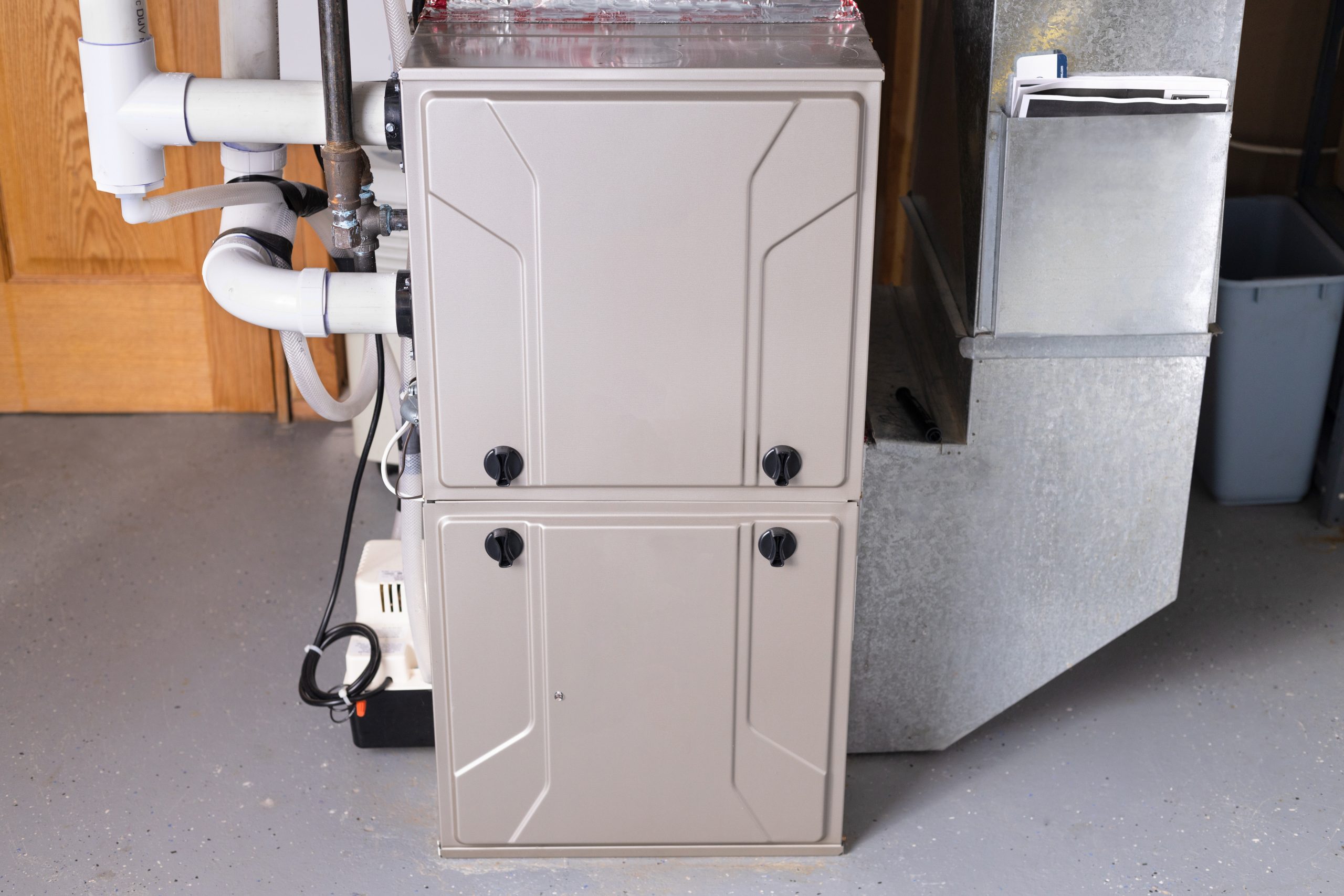
A dual-fuel heating system combines an electric heat pump with a gas furnace. The heat pump handles mild to moderately cold winter weather, providing efficient heating for as long as outdoor conditions allow. When temperatures drop to the point where the heat pump becomes less efficient, the furnace automatically takes over. The result is a consistently comfortable and energy-efficient home throughout the winter season.
Heat Pump vs. Dual Fuel for Northeast Ohio
If you are considering a heat pump in Northeast Ohio, your primary options are a standalone cold-climate heat pump or a dual-fuel system. If you already have a gas furnace and ductwork in place, a dual-fuel system may be the more cost-effective solution. Because much of the necessary infrastructure already exists, installation can often be simpler and less expensive than fully replacing your heating system.
Both systems can meet your heating demands, lower energy consumption, and improve indoor comfort when properly designed and installed. However, neither system can reach its full potential without adequate insulation and air sealing.
Your Home Matters as Much as the Equipment
Maintaining a comfortable and efficient home goes beyond installing the most advanced HVAC system on the market. The home itself is just as important as the equipment. Factors such as your home’s size and layout, insulation levels, air leakage, window quality, and ductwork condition all play a significant role. Even the most efficient heat pump will struggle if valuable heat is escaping through poorly insulated walls, drafty windows, or gaps around doors and penetrations.
Can a Heat Pump Replace Both a Furnace and AC?
You won’t need air conditioning or a furnace when you have a heat pump. A heat pump provides both adequate heating and cooling, making it a versatile all-in-one HVAC solution for many Northeast Ohio homes.
Why Professional Sizing Is Important
Professional cold-climate or dual-fuel heat pump installation is critical to system performance, durability, and efficiency. A licensed HVAC technician will evaluate your home’s heating and cooling needs and properly size, select, position, and install the equipment for optimal year-round comfort.
A well-sized heat pump will provide reliable heat without excessive cycling or unnecessary backup heat. Such a system will also operate more reliably, reducing the likelihood of frequent breakdowns and premature component wear.
Is a Heat Pump Right for Your Northeast Ohio Home?
Both cold-climate heat pumps and dual-fuel systems can deliver reliable performance during Northeast Ohio winters. While they achieve that performance in different ways, the benefits are often similar: improved comfort, greater energy efficiency, and lower heating costs. If your current furnace, air conditioner, or heat pump is aging, requiring frequent repairs, or struggling to maintain comfortable temperatures, consider an upgrade.
For reliable cold-climate heat pump and dual-fuel system installation in Northeast Ohio, contact us at Heart of Ohio today.

Contact Us
Contact


The Benefits of Combining Companies
The best of each company; the potential to grow
- An expanded service area
- Faster 24/7 service
- More efficient manpower on projects
- Technicians who have been trained in specialty services
- All home services under one name