


Heat Pump Tax Credit in Ohio for 2026: What Changed & What Still Saves You Money
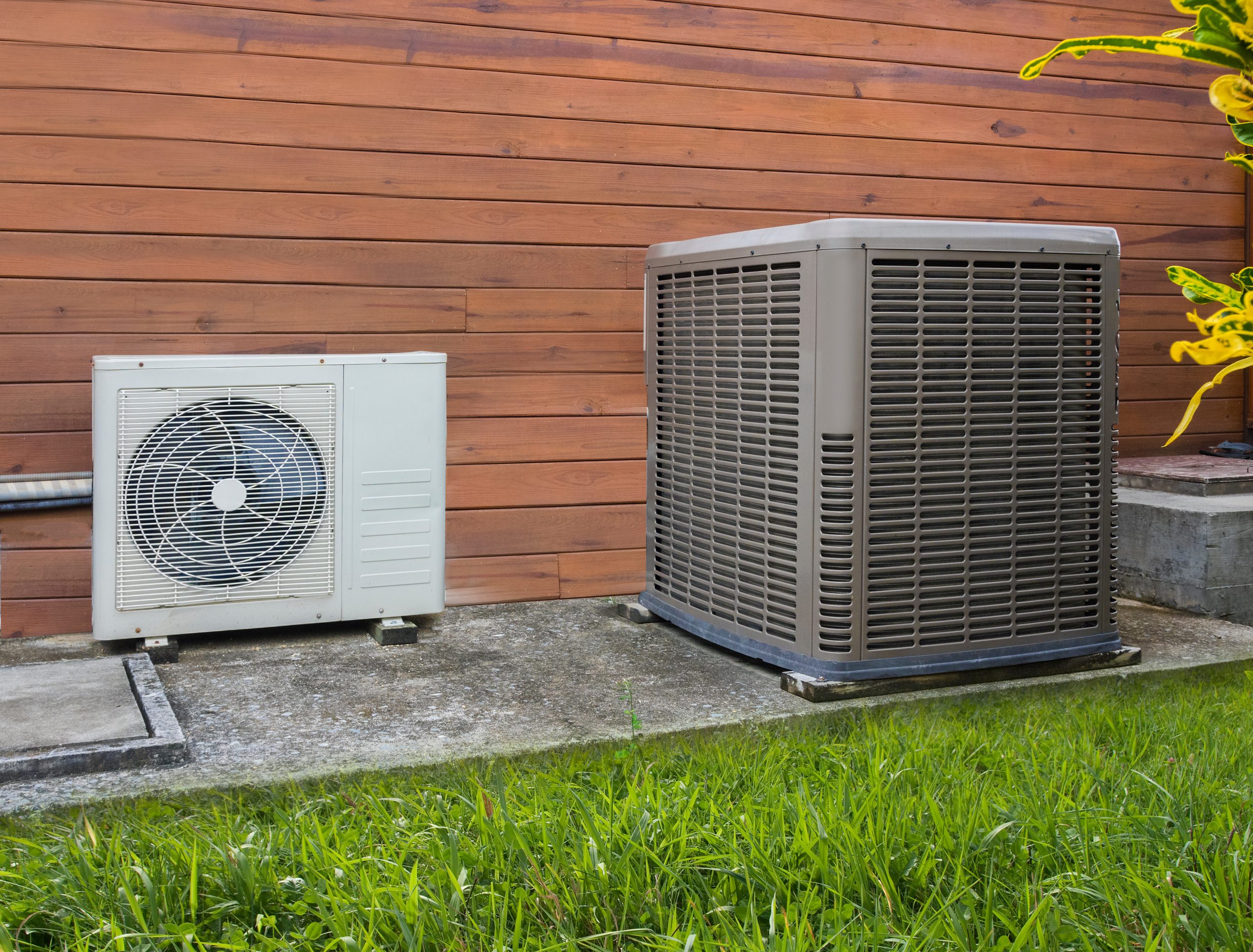
If you’re researching the heat pump tax credit in 2026, the biggest change is that Section 25C has ended. Heat pumps placed in service during 2026 no longer qualify for the previous federal credit of up to $2,000. Homeowners can still save through rebates, financing, promotions, and lower long-term energy use. The best approach is to compare current incentives before choosing equipment.
Is There a Federal Heat Pump Tax Credit in 2026?
No Section 25C credit applies to a heat pump placed in service after December 31, 2025. In 2025, qualifying heat pumps could receive a credit equal to 30% of eligible costs. The separate annual limit for qualifying heat pumps was $2,000. That federal incentive does not carry over to systems placed in service during 2026.
Homeowners filing 2025 taxes may still qualify for an eligible system placed in service during 2025. The important date is when the qualifying equipment became operational, not simply when you ordered or paid for it. A 2025 purchase installed in 2026 does not preserve the former credit. Confirm tax eligibility and documentation requirements with current IRS guidance or a qualified tax professional.
What Changed From 2025 to 2026?
Federal law changed in 2025 and shortened the availability of the Energy Efficient Home Improvement Credit. Earlier law had allowed Section 25C to remain available beyond 2025. The newer law ended the credit for property placed in service after December 31, 2025. That created a firm dividing line between 2025 and 2026 projects.
This timing matters when you compare older heat pump articles with current information. Many resources still mention the former $2,000 limit because it applied through the end of 2025. For 2026 installations, don’t include that figure in your project budget. The heat pump tax credit in 2026 is no longer available under Section 25C.
Are Heat Pump Rebates Still Available in Ohio?
Some rebate opportunities may still exist, but availability varies by program. Utilities, manufacturers, state-administered programs, or organizations serving income-qualified households may offer incentives. Eligibility can depend on your address, utility provider, household income, equipment, and installation date. Funding and program rules can also change during the year.
Check current requirements before you select equipment or schedule installation. Some programs require specific efficiency levels, participating contractors, or approval before work begins. Manufacturer offers may also apply only to certain models or promotional periods. A Heart of Ohio technician can discuss heat pump options while you compare currently available incentives.
How Heat Pumps Can Still Save Money
A tax credit is only one part of the financial picture. Heat pumps transfer heat rather than generating it directly. They also provide both heating and air conditioning from the same system. That combination can be useful when both sides of an older HVAC system need replacement.
Actual operating savings vary from one home to another. Electricity rates, current equipment, insulation, thermostat settings, and outdoor temperatures all affect energy use. A heat pump may compare differently than electric resistance heat, but not with a high-efficiency gas furnace. Reviewing estimated annual operating costs can provide a better comparison than focusing on installation price alone.
Equipment condition also matters when calculating long-term value. Repeated repairs on an older system can add up and increase the cost of keeping it in service. A properly selected replacement may also provide steadier heating and cooling. Heart of Ohio offers heat pump replacement for homeowners considering that transition.
Are Heat Pumps a Good Fit for Northeast Ohio?
Heat pumps can work in cold climates, but equipment selection matters in Northeast Ohio. Modern cold-climate models can maintain useful heating capacity at temperatures below freezing. However, heating output and efficiency vary by model as outdoor temperatures fall. Ask how the proposed system performs at temperatures common in your area.
Proper sizing is equally important. An HVAC technician should evaluate the home’s heating and cooling loads before recommending equipment. An undersized system may struggle during cold weather, while poor sizing can affect comfort and performance. The evaluation should also include existing ductwork and airflow.
Backup heat may make sense depending on the home, equipment, and winter design conditions. Some systems use electric supplemental heat when outdoor temperatures drop. A dual-fuel system pairs a heat pump with a gas furnace instead. This setup gives homeowners another option for balancing heat pump operation with colder-weather heating needs.
Other Ways to Reduce Heat Pump Installation Costs
Utility incentives can sometimes reduce project costs when qualifying equipment meets program requirements. Manufacturer rebates may provide another opportunity on specific models during promotional periods. Both types of incentives can change, so confirm eligibility before you buy. Do not subtract an incentive from your budget until you know you qualify.
Financing can also make an installation easier to manage without reducing the actual purchase price. Heart of Ohio offers financing options on approved credit for qualifying projects. Review the interest rate, repayment period, and total financed amount before choosing a plan. Seasonal promotions may offer additional savings when available.
Long-term energy use belongs in the calculation as well. A lower purchase price doesn’t always mean the lowest ownership cost over time. Compare expected energy consumption, maintenance needs, and system performance along with upfront expenses. This broader view can help you evaluate competing heat pump options more clearly.
What to Ask Before Installing a Heat Pump
A good proposal should explain more than the equipment price and efficiency rating. It should show how the recommended system fits your home and Northeast Ohio’s climate. Ask about any related work before signing an installation agreement. That helps you understand the full project instead of discovering added requirements later.
- How was the equipment size determined?
- How does the system perform in cold weather?
- Which rebates or promotions are currently available?
- Does the existing ductwork need changes?
- Are electrical upgrades required?
- What is included in the total installation cost?
Ask the installer to explain the home’s load calculation and the proposed equipment’s cold-weather capacity. If backup heat is recommended, ask when it turns on and what energy source it uses. Review ductwork and electrical requirements before installation begins. Also verify incentive terms directly with the organization providing them.
Compare Current Incentives Before You Install
The previous federal heat pump tax credit in 2026 does not apply to systems placed in service this year. However, rebates, promotions, financing, and operating savings can still affect a project’s overall value. Check current Ohio program listings, utility offers, and manufacturer promotions before choosing equipment. Then compare those opportunities with the system’s expected performance and long-term costs.
Heart of Ohio serves homeowners across Northeast Ohio with heat pump installation and replacement services. Our team can evaluate your home, discuss equipment options, and prepare an installation estimate. We can also explain available company promotions or financing choices that may apply to your project.
Contact Heart of Ohio to request a Northeast Ohio heat pump installation estimate and discuss your current options.

Contact Us
Contact


The Benefits of Combining Companies
The best of each company; the potential to grow
- An expanded service area
- Faster 24/7 service
- More efficient manpower on projects
- Technicians who have been trained in specialty services
- All home services under one name